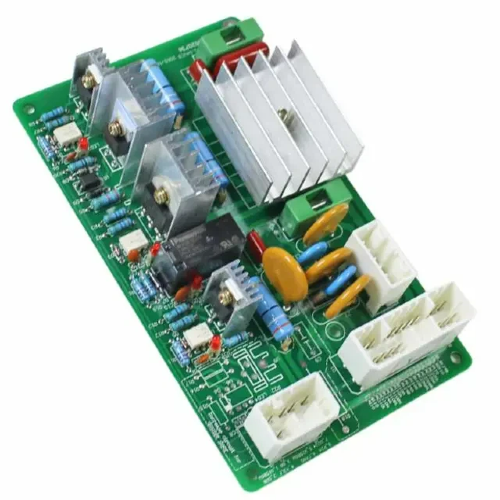
Printed circuit board assembly (PCBA) is the process of soldering or mounting electronic components onto a bare PCB to create a functional electronic module. In today’s technology-driven world, PCBAs form the backbone of virtually every electronic device. From consumer electronics to industrial machinery, automotive systems, and aerospace equipment, PCBA is essential for the reliable performance and functionality of devices.
The significance of PCBA cannot be overstated. It ensures precise connectivity, proper electrical performance, and mechanical stability for electronic components. High-quality PCBA enables miniaturization, reduces power consumption, enhances durability, and supports advanced features across devices.
This article provides a comprehensive overview of PCBA applications across different industries. It discusses how PCBAs are integrated into consumer electronics, automotive systems, medical devices, industrial equipment, aerospace, telecommunications, and emerging technologies like IoT and AI. Finally, a FAQ section addresses common questions related to PCBA applications, benefits, and quality considerations.
1. PCBA in Consumer Electronics
1.1 Smartphones and Tablets
In the fast-paced world of smartphones and tablets, PCBA plays a critical role in ensuring device functionality. Key components such as CPUs, memory chips, communication modules, power management ICs, and display controllers are mounted on the PCBA.
PCBA enables:
Compact design – Multiple components integrated into a small footprint
High performance – Efficient signal transmission and processing
Reliability – Long-lasting solder joints and durable assembly
Energy efficiency – Optimized power delivery circuits
Modern smartphones require multilayer PCBAs to accommodate complex circuits while maintaining a slim profile. Tablets, with their larger screens and higher processing requirements, rely on PCBA to handle more robust power and signal management.
1.2 Laptops and Personal Computers
PCBA is critical in laptops and personal computers, forming the backbone of:
Motherboards
Graphics cards
Memory modules
Peripheral and I/O interfaces
Effective PCBA ensures stable electrical connections, proper heat dissipation, and compatibility with high-speed processors. These assemblies support large amounts of data processing and provide reliable performance over extended usage periods.
1.3 Wearable Devices and Smart Gadgets
Wearables, such as smartwatches, fitness trackers, and health-monitoring devices, rely on highly miniaturized PCBAs:
Small, densely packed components
Low-power circuits for extended battery life
Integration of sensors, wireless communication modules, and microcontrollers
The precision of PCBA manufacturing ensures these devices are lightweight, compact, and reliable, even in compact form factors where space is extremely limited.
2. PCBA in Automotive Industry
2.1 Advanced Driver Assistance Systems (ADAS)
ADAS technologies, such as lane departure warnings, collision detection, and adaptive cruise control, depend heavily on PCBA. Sensors, cameras, and radar modules are mounted on precise PCBAs that must withstand:
High temperatures
Vibrations
Electrical noise
High-reliability PCBAs ensure the proper functioning of safety-critical automotive systems, enhancing driver assistance and vehicle safety.
2.2 Infotainment and Connectivity Systems
Modern vehicles integrate infotainment systems that include navigation, audio-video systems, and connectivity modules. PCBA supports:
Complex processing circuits for multimedia functions
Data communication between vehicle networks
High-quality audio and display management
Robust PCBAs ensure minimal signal interference and maintain consistent performance, even in challenging automotive environments.
2.3 Electric Vehicles (EVs)
EVs rely on PCBA for:
Battery management systems (BMS)
Motor control units
Charging circuits
PCBAs in EVs must tolerate high currents, voltage fluctuations, and thermal stress, while maintaining long-term reliability. Proper PCBA design ensures efficient energy use, accurate monitoring of battery health, and safe operation of electric motors.
3. PCBA in Medical Devices
3.1 Diagnostic and Imaging Equipment
High-end medical diagnostic and imaging equipment, including MRI, CT, and ultrasound machines, use high-density PCBAs to:
Capture and process signals with high accuracy
Interface with sensors and imaging modules
Manage complex power distribution circuits
Reliability and precision in PCBA assembly are crucial in medical imaging, where accurate diagnostics directly impact patient care.
3.2 Patient Monitoring Systems
Patient monitoring devices such as heart rate monitors, pulse oximeters, and respiratory monitors rely on PCBA to:
Process biosignals accurately
Maintain continuous operation without failures
Ensure long-term stability and reliability
Compact, energy-efficient PCBAs allow for portable devices capable of real-time monitoring in hospitals or at home.
3.3 Portable Medical Devices
Portable medical devices, including wearable glucose monitors, digital thermometers, and mobile testing units, depend on PCBA for:
Low-power operation
Compact integration of microcontrollers, sensors, and wireless communication
High reliability under daily usage conditions
Efficient PCBA design ensures portability without compromising performance or accuracy.
4. PCBA in Industrial and Automation Equipment
4.1 Control Systems
Industrial control systems, such as PLCs and automated controllers, rely on PCBAs for:
Signal processing
Control of machinery and industrial processes
Integration of sensors and actuators
PCBAs in industrial settings must withstand dust, humidity, and extreme temperatures, ensuring continuous operation in harsh environments.
4.2 Robotics and Automation
Robotic systems and automation equipment use PCBAs for:
Motor control
Sensor integration
Communication between robotic components
High-quality PCBAs ensure precise robotic movements, fast response times, and minimal downtime due to electronic failures.
4.3 Communication and Networking Equipment
Industrial networking devices, such as Ethernet switches, wireless gateways, and routers, rely on PCBAs to:
Process high-speed data
Maintain reliable network connectivity
Support long-term operation in demanding conditions
Robust PCBA ensures stable and consistent performance in industrial communication networks.
5. PCBA in Aerospace and Defense
5.1 Avionics Systems
Aerospace applications require PCBAs in avionics systems for:
Flight control
Navigation
Communication
PCBAs must meet rigorous standards for high reliability, temperature tolerance, and electromagnetic interference resistance, ensuring safe and precise operation of aircraft systems.
5.2 Military Electronics
Defense systems, including radar, weapons control, and unmanned aerial vehicles (UAVs), rely on PCBAs designed for:
Extreme environmental conditions
High vibration and shock resistance
Long-term reliability and security
High-performance PCBA enables military electronics to function reliably under critical operational conditions.
6. PCBA in Telecommunications
6.1 Mobile Base Stations
Base station equipment depends on PCBAs for:
Signal amplification
High-frequency processing
Data transmission and reception
Reliable PCBAs ensure stable mobile communication and network connectivity for millions of users.
6.2 Data Centers and Networking Devices
Data centers use PCBAs in:
Servers and storage units
Networking switches and routers
Optical communication modules
PCBAs in data centers must handle high-speed data processing, provide thermal management, and operate continuously without failures, supporting cloud services and enterprise networks.
7. Emerging Applications of PCBA
7.1 Internet of Things (IoT)
IoT devices, including smart home sensors, industrial monitoring devices, and wearable trackers, use compact PCBAs to:
Integrate sensors and microcontrollers
Enable wireless communication
Optimize low-power performance
High-density, energy-efficient PCBAs allow IoT devices to function reliably while maintaining small form factors.
7.2 Artificial Intelligence (AI) and Edge Computing
AI-enabled devices and edge computing solutions rely on PCBAs for:
High-performance computing modules
AI accelerator boards
Data processing and storage units
PCBAs for AI applications require high-speed signal routing, efficient heat dissipation, and precise component placement for optimal performance.
7.3 Renewable Energy Systems
Renewable energy solutions, including solar inverters, battery management units, and wind turbine controllers, use PCBAs to:
Manage power conversion
Monitor battery and energy storage systems
Ensure stability and efficiency
PCBAs in renewable energy systems must withstand high voltage, thermal stress, and environmental exposure while maintaining long-term performance.
8. Benefits of PCBA Across Industries
PCBA provides a wide range of benefits:
Enhanced device performance – Ensures accurate signal processing and reliable operation
Support for miniaturization – Integrates multiple functions into a compact form factor
Industry-specific reliability – Maintains performance under extreme conditions (temperature, vibration, moisture)
Reduced maintenance costs – Minimizes downtime and repair requirements
Extended product lifespan – Durable assembly ensures long-term operation
Industry | Key PCBA Applications | Benefits |
Consumer Electronics | Smartphones, laptops, wearables | Miniaturization, high performance, energy efficiency |
Automotive | ADAS, infotainment, EV modules | Safety, reliability, temperature tolerance |
Medical | Imaging, monitoring, portable devices | Accuracy, low power, long-term stability |
Industrial | Control systems, robotics, networking | Durability, precision, vibration resistance |
Aerospace & Defense | Avionics, military electronics | Extreme environment tolerance, reliability |
Telecommunications | Base stations, servers | High-speed data, thermal management |
Emerging Tech | IoT, AI, renewable energy | Integration, low power, environmental resilience |
9. Conclusion
Printed circuit board assembly (PCBA) is a cornerstone of modern electronics, providing the foundation for high-performance, reliable, and precise devices across diverse industries. Whether in consumer electronics, automotive systems, medical devices, industrial automation, or emerging technologies like IoT and AI, PCBAs ensure products function efficiently and maintain long-term durability.
Choosing the right PCBA partner is critical for achieving consistent quality and performance. Shenzhen Xindachang Technology Co., Ltd. offers professional PCBA assembly services backed by extensive technical expertise, rigorous quality control, and advanced manufacturing capabilities. Their team works closely with clients to deliver tailored solutions that meet stringent industry standards, from complex multilayer boards to compact, high-density designs.
Collaborating with Shenzhen Xindachang Technology ensures your electronic products achieve superior reliability and efficiency, while reducing production risks and accelerating time-to-market. For businesses seeking trusted PCBA solutions and expert support in assembly, testing, and quality assurance, Shenzhen Xindachang Technology Co., Ltd. provides a comprehensive, professional approach that helps bring innovative electronic products to life with confidence.
10. FAQs
Q1: What industries commonly use PCBA?
PCBA is widely used in consumer electronics, automotive, medical devices, industrial automation, aerospace, telecommunications, IoT, AI, and renewable energy.
Q2: Why is PCBA critical for medical and aerospace applications?
It ensures high precision, reliability, and tolerance to extreme conditions, which are essential for safety-critical devices.
Q3: How does PCBA support emerging technologies like IoT and AI?
PCBA integrates compact, low-power, and high-density components required for smart and connected devices.
Q4: What benefits does PCBA offer across industries?
Improved performance, miniaturization, enhanced reliability, reduced maintenance costs, and extended lifespan.
Q5: How can companies ensure high-quality PCBA production?
By partnering with experienced manufacturers, implementing rigorous quality control, and adhering to industry standards.


