Common Problems and Efficient Detection Strategies in PCBA and SMT Processing
PCBA processing and production is a high-precision process in the field of electronic manufacturing. In actual PCBA processing plants, each production and processing process follows strict operating specifications, covering multiple key links such as SMT chip mounting, DIP plug-in assembly, and AOI testing. Improper operation may cause irreparable damage to electronic components and circuit boards, especially precision components such as integrated circuits.
SMT process analysis
The process of SMT (surface mount technology) is meticulous and rigorous, including:
Baking PCB: preheating the circuit board to remove moisture.
PCB transfer: moving the PCB to the next process.
Printing solder paste: accurately applying solder paste on the PCB.
Solder paste inspection: ensure that the solder paste is evenly distributed and free of defects.
High-speed placement machine mounting small components: efficient mounting of small electronic components.
Multi-function placement machine mounting large components: handling larger or special-shaped components.
Furnace preheating: preparing for reflow soldering.
Reflow soldering: melting the solder paste at high temperature to achieve a firm connection between components and PCBs.
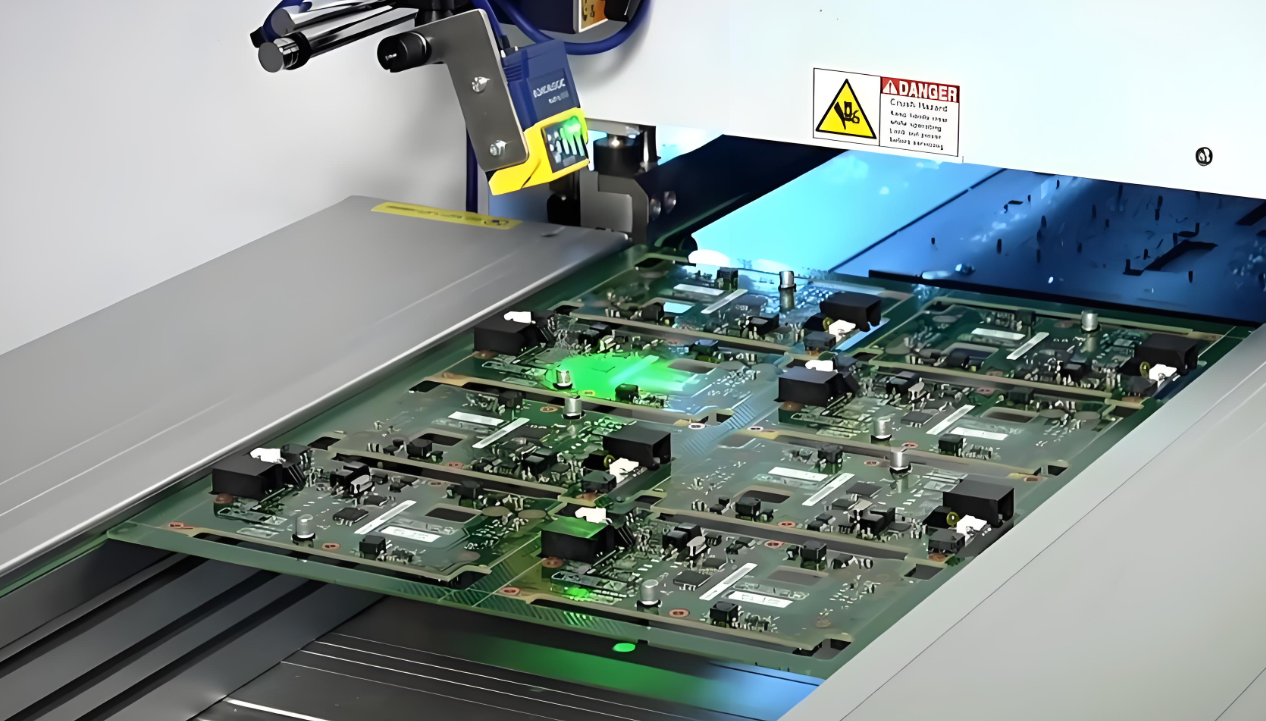
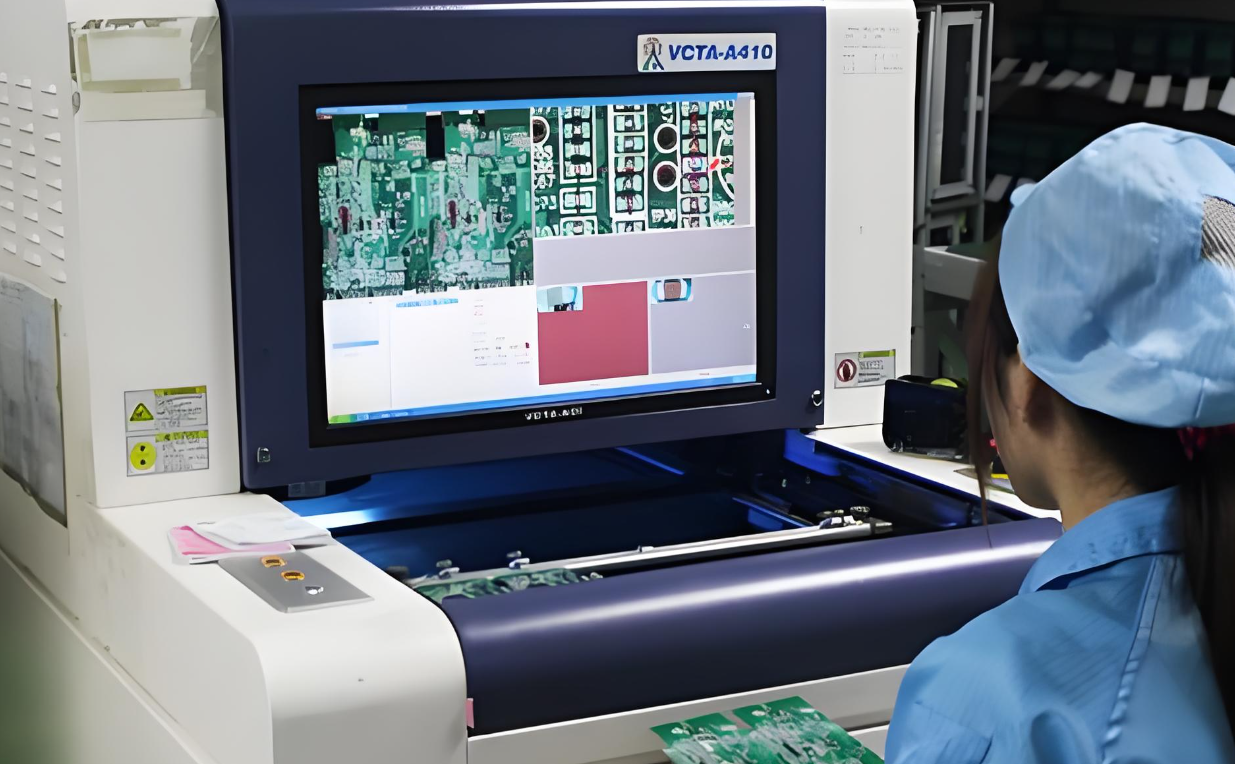
AOI post-furnace inspection: Use automatic optical inspection to identify soldering defects.
Visual inspection: Manually review AOI inspection results to ensure quality.
PCBA process overview
The PCBA (printed circuit board assembly) process covers the SMT process and extends to subsequent processes:
SMT process: As described above.
THT plug-in: Insert through-hole components manually or by machine.
Wave soldering: Solder through-hole components.
Repair and manual soldering: Correct defects in automatic soldering.
Simple assembly: Combine the assembled PCBA with other components.
ICT and FCT testing: Perform online testing and functional testing.
Final inspection: Comprehensively check product quality.
Packaging and storage: Prepare for shipment.
Causes and preventive measures of soldering defects
Common false soldering (such as cold soldering and empty soldering) during the soldering process is caused by many factors, and preventive measures include:
Moisture-proof storage of components: Use an oven to bake the components to remove moisture.
Choose high-quality solder paste: The quality of solder paste from well-known brands is more guaranteed.
Adjust printing parameters: Optimize the squeegee pressure and template design to ensure sufficient tin.
Optimize the reflow soldering temperature curve: precisely control the soldering time and temperature.
Reduce manual soldering: use automated soldering as much as possible.
Control the temperature of the electric soldering iron: keep the soldering iron tip clean, and select the appropriate soldering iron and temperature according to the component.
Use X-ray detection equipment: efficiently detect internal defects in soldering.
Detection method selection
In PCBA processing, AOI, FCT and X-ray detection have their own characteristics:
AOI (Automatic Optical Inspection): Mainly used to detect component mounting errors, missing, wrong direction, elevation and poor tinning, usually performed after SMT reflow soldering.
FCT (Functional Test): Test the electronic input/output parameters of the assembled PCBA to verify its functional integrity.
X-ray detection: Mainly used for chip detection after BGA and other packaging, see through the inside of the PCB, and detect the welding quality.
XDCPCBA Service Highlights
As a professional PCB manufacturer and PCBA processing manufacturer, XDCPCBA provides a full range of services:
PCB manufacturing: From 2 to 30 layers, to meet diverse needs, provide 1-6 layers of PCB free proofing.
Component procurement: relying on long-term supplier relationships, we provide high-quality and low-cost components.
One-stop assembly service: from PCB manufacturing to assembly testing, we participate in the whole process to ensure quality.
XDCPCBA is committed to providing customers with high-quality PCB manufacturing and PCBA processing services, helping customers stand out in the market competition. We look forward to working with you to create a brilliant future.


