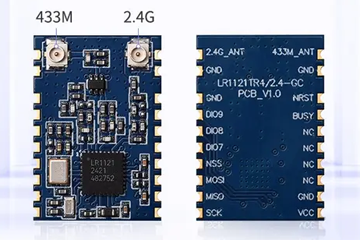
Printed Circuit Board Assembly (PCB Assembly) is a core process in modern electronics manufacturing, directly affecting product performance in industries such as automotive, medical devices, telecommunications, and consumer electronics. As devices become smaller and more complex, the need for high-quality PCB Assembly has grown significantly.
Maintaining high quality and yield is essential for manufacturers. A well-controlled assembly process reduces defects, rework, and costs while improving delivery times and customer satisfaction. High first-pass yield lowers production expenses and enhances efficiency, whereas low yield leads to waste, delays, and additional repair costs.
In today’s competitive electronics market, quality and yield are key indicators of a manufacturer’s capability. Companies that consistently deliver defect-free PCB assemblies gain a clear advantage in cost control, reliability, and reputation.
Why Quality and Yield Matter in PCB Assembly
1. Impact on Operational Cost and Efficiency
Quality and yield are directly linked to a manufacturer’s operational performance. High-quality assemblies reduce the number of defective boards, which means less rework, scrap, and wasted materials. A higher yield also improves production efficiency by minimizing downtime and resource consumption. As a result, companies can achieve lower manufacturing costs and faster production cycles, helping them remain competitive in a fast-paced market.
2. Importance in High-Reliability Industries
In sectors such as automotive, medical devices, and aerospace, the stakes are much higher. These industries require strict compliance with safety and reliability standards because even a single defective PCB can lead to serious consequences, including safety hazards, financial loss, and reputational damage. Achieving consistently high quality and yield is therefore essential for meeting industry certifications, regulatory requirements, and customer expectations in these high-standard applications.
3. Benefits of High Yield on Delivery and Costs
A high first-pass yield means that most boards pass inspection on the first attempt, avoiding the need for rework or additional testing. This not only shortens lead times but also reduces labor and material costs associated with repairing defective units. Faster and more efficient production enhances on-time delivery rates and customer satisfaction, giving manufacturers a significant competitive advantage.
By focusing on both quality and yield, companies can optimize costs, improve reliability, and strengthen customer trust, all of which are critical factors in maintaining long-term success in the electronics industry.
Key Factors Affecting PCB Assembly Quality and Yield
Achieving high quality and yield in PCB Assembly requires a comprehensive approach that begins with thoughtful design, precise manufacturing processes, and strict material management. Below are the key factors that have the greatest impact on final assembly results:
1. Design for Manufacturability (DFM)
Design for Manufacturability is one of the most effective ways to prevent defects before production even begins. A well-optimized PCB design can significantly reduce manufacturing risks and improve yield.
Optimized Pad Design and Component Spacing: Proper pad dimensions and adequate spacing between components ensure that automated machines can accurately place and solder components without defects like bridging or tombstoning.
Efficient Trace Routing: Clear and logical trace layout helps avoid signal interference and heat concentration, improving both manufacturability and performance.
Early Design Review: Conducting a DFM review at the design stage allows engineers to identify potential assembly issues, preventing costly redesigns and production delays.
By addressing these considerations upfront, manufacturers can greatly improve first-pass yield and reduce the need for rework.
2. Precision in SMT and Through-Hole Process Control
The two primary assembly methods—Surface Mount Technology (SMT) and Through-Hole Technology (THT)—require precise control at every stage to ensure consistent quality.
SMT Process Control: High-speed pick-and-place machines must achieve precise component alignment, while solder paste printing and reflow temperature profiles must be carefully managed to avoid defects such as cold joints, voids, or insufficient soldering.
Through-Hole Process Stability: For larger components such as connectors, relays, and transformers, consistent soldering is essential. Wave soldering or selective soldering must be properly controlled to ensure strong mechanical bonding and reliable electrical connections.
Maintaining process stability in both SMT and THT ensures that assemblies are both precise and durable, even in demanding applications.
3. Strict Material Procurement and Supply Chain Management
High-quality PCB Assembly starts with reliable components and materials. Using substandard or counterfeit parts can lead to failures, increased defects, and higher production costs.
Sourcing from Trusted Suppliers: Partnering with authorized distributors ensures that all components meet quality and traceability standards.
Incoming Quality Control (IQC): Every batch of components should be inspected to verify authenticity, specifications, and performance.
Material Traceability: Tracking lot numbers and supplier details helps manufacturers quickly identify and resolve issues if defects occur.
By implementing strict procurement standards and maintaining a robust supply chain, manufacturers can significantly reduce risks, avoid production delays, and ensure consistent product quality.
These three factors—DFM, precise process control, and reliable material sourcing—form the foundation of a successful PCB Assembly strategy that delivers both high quality and high yield.
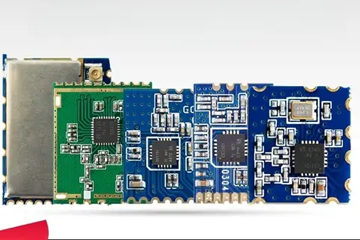
Advanced Manufacturing Processes to Improve Yield
Modern PCB Assembly relies heavily on advanced equipment and rigorous quality control to achieve high levels of precision, consistency, and reliability. Investing in the right manufacturing technologies and implementing systematic inspection processes are essential for improving both quality and yield.
1. High-Precision Equipment
State-of-the-art equipment plays a crucial role in ensuring accurate component placement, consistent soldering, and reliable connections.
Automated Solder Paste Printers: These machines ensure that solder paste is applied with the correct volume and alignment, which is critical for avoiding defects like bridging or insufficient solder joints.
High-Speed Pick-and-Place Machines: Capable of placing even the smallest components—such as 0201 or 01005 packages—with ±0.05 mm accuracy, these machines enable the production of high-density and miniaturized circuit boards.
Reflow Ovens with Controlled Profiles: By maintaining precise temperature gradients, reflow ovens ensure that solder joints form correctly, reducing the risk of cold soldering or voids.
X-ray Inspection Systems: Used especially for BGAs and hidden solder joints, X-ray inspection verifies the integrity of solder connections that are not visible to the naked eye.
With these advanced tools, manufacturers can significantly reduce placement errors, soldering defects, and rework rates, ultimately improving overall yield.
2. Multi-Stage Quality Inspection
To ensure that each PCB assembly meets quality standards, multiple layers of inspection are required throughout the production process.
IQC (Incoming Quality Control): Ensures that all components and raw materials meet specifications before they enter production.
IPQC (In-Process Quality Control): Monitors each stage of the assembly process to detect potential issues early.
FQC (Final Quality Control): Performs visual and functional checks on finished boards before delivery.
AOI (Automated Optical Inspection): Uses cameras and image processing to detect misaligned components, insufficient solder, and other visual defects.
SPI (Solder Paste Inspection): Verifies that solder paste has been applied with the correct volume and alignment before component placement.
Functional Testing: Ensures that the assembled PCB operates correctly in real-world conditions, reducing the risk of field failures.
By combining advanced manufacturing equipment with comprehensive inspection systems, manufacturers can maintain high consistency, prevent defects from propagating through production, and achieve superior first-pass yield.
Best Practices for Ensuring High Quality and Yield
Achieving consistently high quality and yield in PCB Assembly requires a combination of strategic planning, advanced technology, and continuous process improvement. The following best practices are essential for manufacturers seeking to optimize their production outcomes:
✔ Early Involvement in DFM (Design for Manufacturability)
Engaging the engineering team during the design stage helps identify potential issues before production begins. By reviewing pad sizes, component placement, and trace routing, manufacturers can ensure that the PCB layout is optimized for automated assembly and soldering, which reduces errors and improves first-pass yield.
✔ Use of High-Precision Equipment and Process Optimization
Investing in automated solder paste printers, high-speed pick-and-place machines, and controlled reflow ovens ensures accuracy and consistency. Regularly optimizing process parameters—such as solder paste volume, reflow temperature profiles, and wave soldering conditions—further enhances assembly reliability.
✔ Comprehensive Quality Control and Data Traceability
Establishing multi-stage inspections (IQC, IPQC, FQC) and using AOI, SPI, and X-ray testing reduces the risk of defects. Full data traceability for every batch of PCB assemblies ensures accountability and enables quick root-cause analysis if issues arise.
✔ Engineering Support and Continuous Improvement
A skilled engineering team is crucial for troubleshooting, process refinement, and implementing corrective actions. Continuous training, data-driven improvements, and regular production audits help sustain long-term quality and yield improvements.
Conclusion
Quality and yield are key drivers of success in modern PCB Assembly. By focusing on design optimization, precise manufacturing processes, strict quality control, and continuous improvement, manufacturers can reduce costs, shorten lead times, and deliver highly reliable products.
Shenzhen Xindachang Technology Co., Ltd. (XDCPCBA) combines advanced SMT and through-hole assembly capabilities, strict quality management systems, and professional engineering support to provide customers with reliable, high-yield PCB Assembly solutions.


