In-depth analysis of selective soldering technology in PCB assembly production: advantages and disadvantages
In the vast field of electronic manufacturing, PCB (printed circuit board) assembly production is an indispensable part. In the PCB assembly process, soldering technology plays a vital role. Among them, selective soldering technology, with its unique advantages, stands out among many soldering technologies and becomes the first choice of many electronic product manufacturers. However, any technology has its two sides, and selective soldering technology is no exception. This article will deeply explore the advantages and disadvantages of selective soldering technology in the PCB assembly production process, in order to provide valuable reference for related companies.
Advantages of selective soldering technology
1. Precise soldering, improve product quality
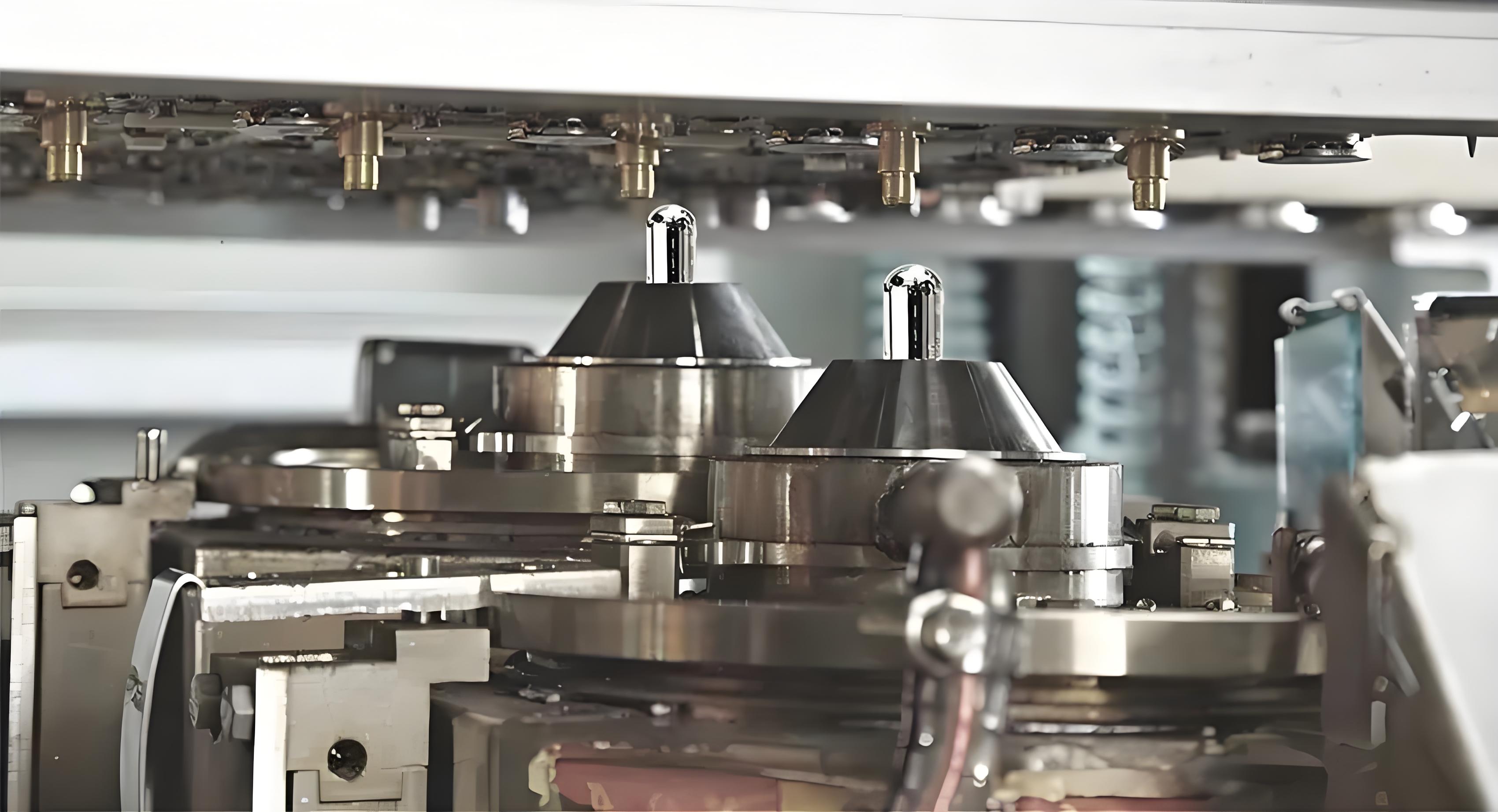
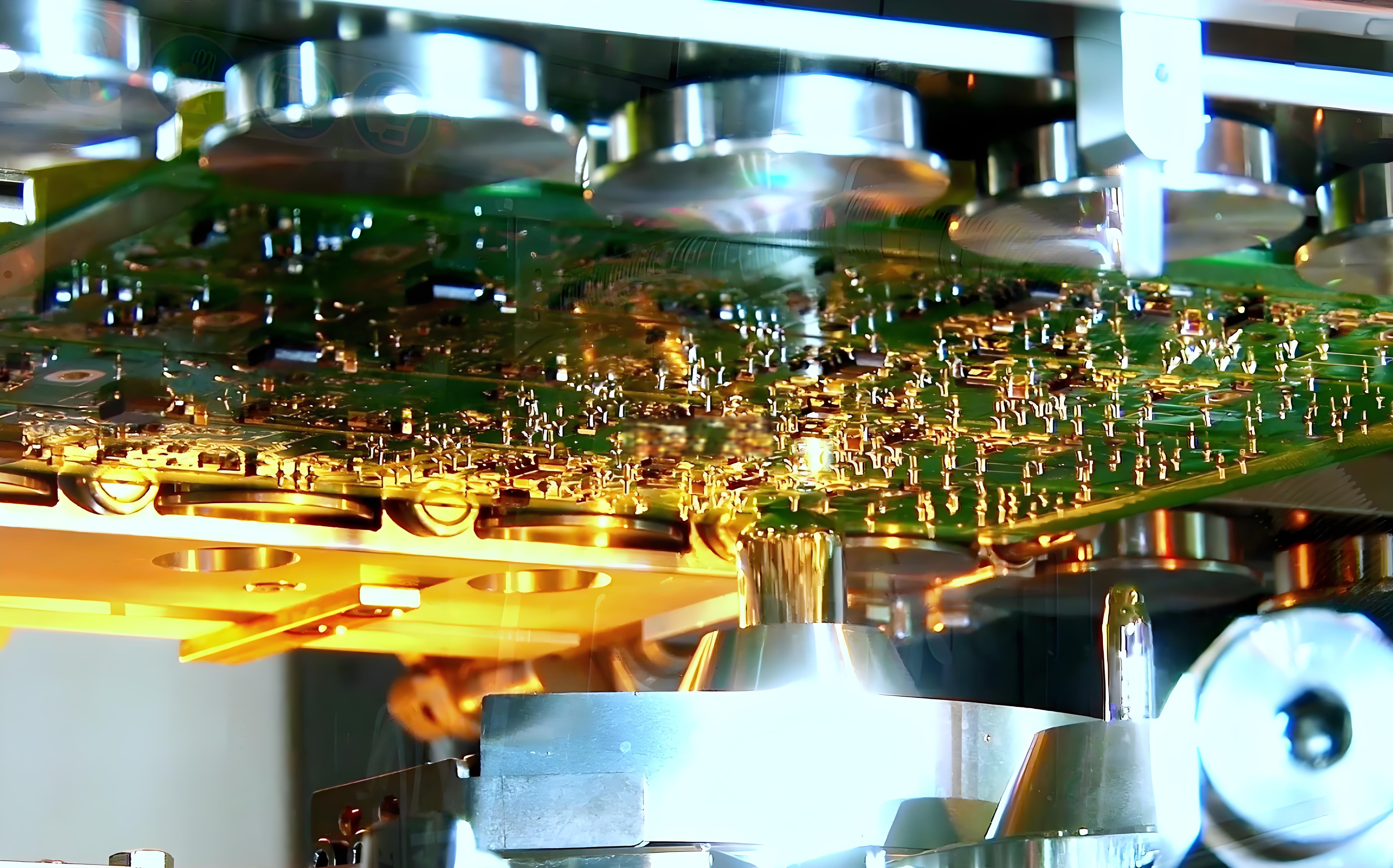
The biggest advantage of selective soldering technology is that it can achieve precise soldering. Compared with traditional wave soldering, selective soldering does not require the entire PCB to be immersed in molten solder, but directly sprays the solder to the solder joints that need to be soldered through a precise nozzle. This soldering method greatly reduces the damage of thermal shock to PCB and components, and improves the soldering quality and product reliability. At the same time, selective soldering can also effectively avoid common soldering defects such as bridging and component floating, further improving the quality of the product.
2. Save materials and reduce costs
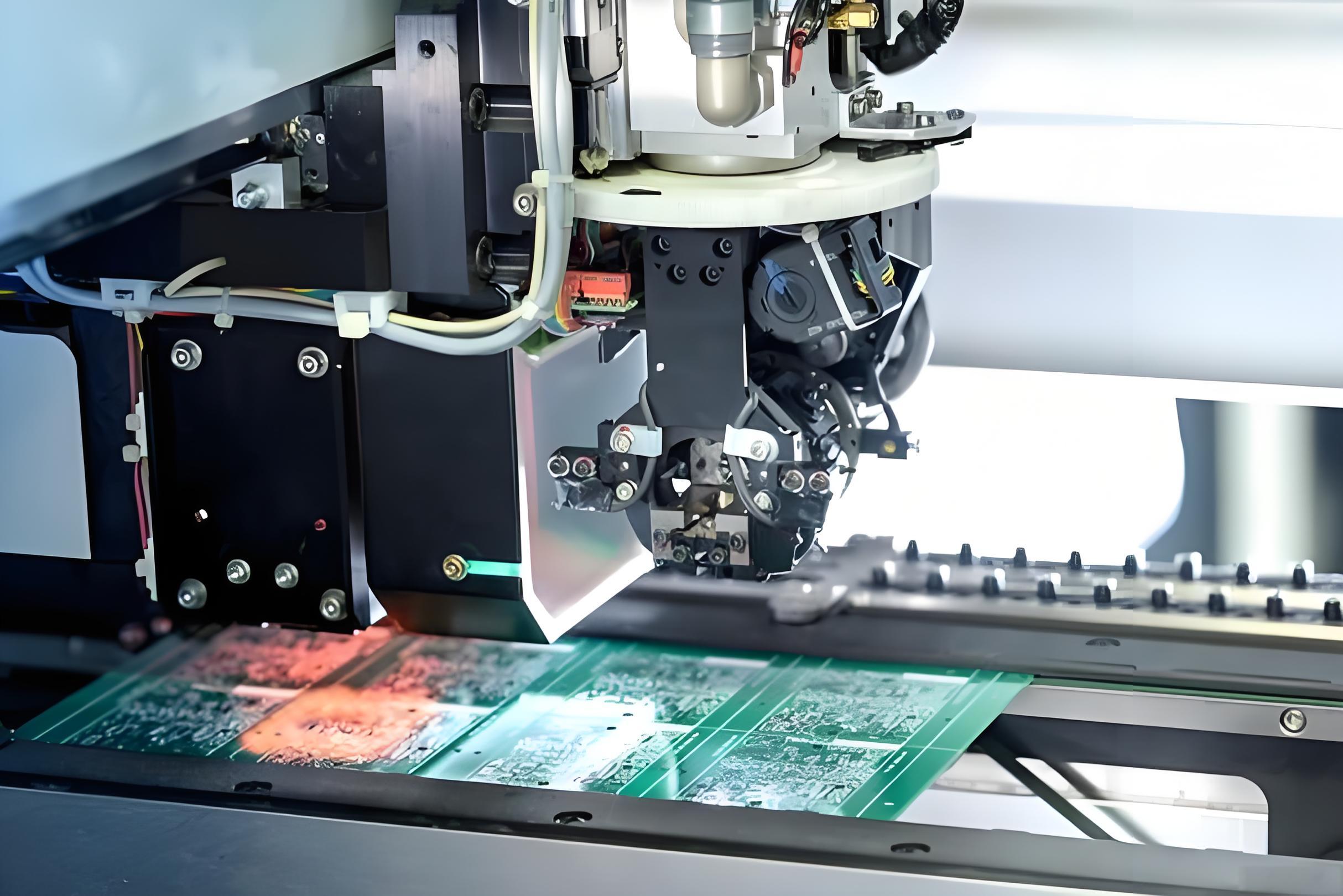
In the PCB assembly production process, material cost is one of the factors that manufacturers need to focus on. Selective soldering technology greatly reduces the waste of solder by precisely controlling the amount of solder. At the same time, since there is no need to use large tin furnaces and long preheating zones, selective soldering can also significantly reduce energy consumption. These advantages make selective soldering technology have obvious advantages in cost control, which helps companies reduce production costs and improve competitiveness.
3. Flexible adaptation to various welding needs
With the diversification and complexity of electronic products, the welding needs in the PCB assembly process are becoming more and more diverse. With its high flexibility, selective soldering technology can easily cope with various complex welding scenarios. Whether it is high-density PCB layout, special-shaped solder joints or solder joints with high precision requirements, selective soldering can provide satisfactory solutions. This flexibility makes selective soldering technology have a wide range of application prospects in the field of electronic product manufacturing.

4. Improve production efficiency and shorten delivery cycle
In the PCB assembly production process, production efficiency is one of the important indicators to measure the production capacity of an enterprise. Selective soldering technology can greatly improve welding speed and production efficiency through automated equipment and precise control. At the same time, due to the reduction of rework and repair time, selective soldering can also significantly shorten the delivery cycle and improve customer satisfaction. These advantages make selective soldering technology have significant advantages in the fast-paced and high-efficiency electronic product manufacturing field.
5. Environmental advantages
Today, with the increasing awareness of environmental protection, the environmental advantages of selective soldering technology are becoming more and more prominent. Due to the reduction of the use of solder and flux, selective soldering can significantly reduce pollution to the environment. At the same time, due to its small footprint and low energy consumption, selective soldering is also in line with the concept of green manufacturing. These advantages make selective soldering technology have broad application prospects in the field of electronic product manufacturing that pursues sustainable development.
Disadvantages of selective soldering technology
1. High equipment cost
Although selective soldering technology has significant advantages in many aspects, its equipment cost is relatively high. Compared with traditional wave soldering equipment, selective soldering equipment requires a higher technical level and a more complex structure. This leads to the generally higher price of selective soldering equipment, which increases the initial investment cost of the enterprise. However, in the long run, these investments will gradually pay off with the improvement of production efficiency and the reduction of costs.
2. High technical difficulty
Selective soldering technology requires operators to have high skill levels and professional knowledge. Since the welding parameters and nozzle position need to be precisely controlled during the welding process, operators need to undergo rigorous training and assessment to be competent. This increases the technical training and labor costs of the enterprise. However, by strengthening technical training and team building, enterprises can gradually improve the skill level of operators, thereby reducing the impact of technical difficulty on production.
3. High maintenance cost
Due to the complexity and precision of selective soldering equipment, its maintenance cost is also relatively high. The equipment needs to be regularly maintained and serviced to ensure its normal operation and extend its service life. This increases the operating cost and time cost of the enterprise. However, by formulating a reasonable maintenance plan and adopting advanced maintenance technology, enterprises can reduce maintenance costs and improve the reliability and stability of equipment.
4. Relatively low welding efficiency
Compared with traditional wave soldering, the welding efficiency of selective soldering is relatively low. This is mainly because selective soldering requires precise control of each solder joint, which increases the welding time and complexity. However, with the continuous advancement of technology and the optimization and upgrading of equipment, the welding efficiency of selective soldering will be further improved. At the same time, by optimizing the production process and adopting advanced production technology, enterprises can also improve welding efficiency to a certain extent.
5. Limited adaptability to components and PCBs
Selective soldering is mainly suitable for the soldering of plug-in components, but not for the soldering of surface mount components (such as SMT components). In addition, for some PCBs and components of special shapes or sizes, selective soldering may not meet their soldering needs. This limits the scope of application of selective soldering technology in some fields. However, with the continuous innovation of technology and the improvement and upgrading of equipment, the adaptability of selective soldering to components and PCBs will be further improved.
XDCPCBA: Professional PCB and PCBA Manufacturing Service Provider
In the field of PCB and PCBA manufacturing, XDCPCBA provides high-quality PCB and PCBA processing services to global customers with its strong production capacity and deep understanding of customer needs. XDCPCBA has its own PCB factory, focusing on the production of high-quality printed circuit boards with 2 to 30 layers. The company not only has advanced production equipment and technology, but also has a strict quality management system to ensure that each PCB meets customer requirements and standards.
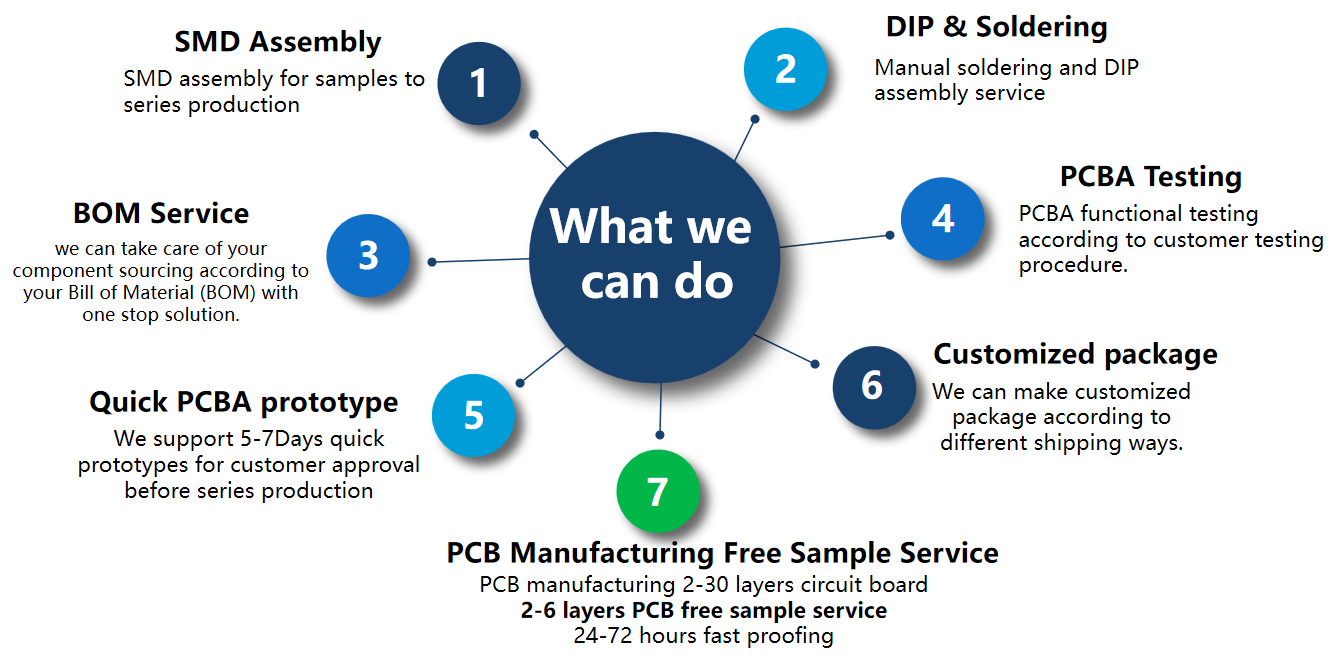
In addition, XDCPCBA is also a professional PCBA manufacturer and PCBA processing service provider. The company has an experienced team of engineers and advanced production equipment, and is able to provide comprehensive PCBA processing services. Whether it is complex multi-layer board assembly, high-precision component welding or customized services with special requirements, XDCPCBA can provide satisfactory solutions. At the same time, XDCPCBA has also launched a 2 to 6-layer PCB free proofing service to help customers quickly verify the design and reduce R&D costs.
In summary, selective soldering technology has significant advantages and broad application prospects in the PCB assembly production process. However, its disadvantages such as high equipment cost, high technical difficulty and high maintenance cost also need to be taken seriously by enterprises. When choosing soldering technology, enterprises need to make comprehensive considerations based on their own production needs, cost control and technical capabilities. At the same time, by strengthening technical training and team building, formulating reasonable maintenance plans and adopting advanced production technologies, enterprises can further play the advantages of selective soldering technology and reduce the impact of its shortcomings on production. As a professional PCB and PCBA manufacturing service provider, XDCPCBA will continue to provide customers with high-quality products and services to help customers stand out in the fierce market competition.


