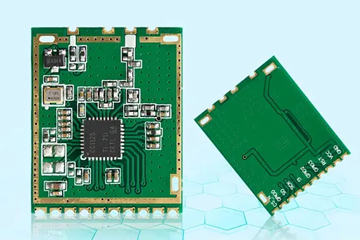
Disinfection Program Control Circuit Assembly for Disinfection Cabinet PCBs
Disinfection cabinets rely on precision-engineered PCB circuits to manage sterilization cycles, ensuring effective elimination of pathogens while optimizing energy use and user safety. This article explores the technical components and operational logic of these circuits, highlighting their role in modern hygiene appliances.
1. Core Components of Disinfection Control Systems
Microcontroller (MCU) for Program Management
The central MCU executes pre-programmed disinfection sequences, adjusting parameters like temperature, humidity, and exposure time based on user-selected modes (e.g., standard, eco, or quick). It receives input from sensors and user interfaces, then controls actuators such as heaters, UV lamps, and ozone generators. Advanced MCUs may incorporate real-time clocks (RTCs) to enable scheduled disinfection cycles, enhancing convenience for users.
Temperature and Humidity Sensors
Thermistors or infrared sensors monitor internal conditions to maintain optimal sterilization environments. For thermal disinfection, the MCU ensures temperatures reach and sustain levels (e.g., 120–150°C) sufficient to kill bacteria and viruses. Humidity sensors, particularly in steam-based models, prevent condensation damage by regulating water injection and drainage cycles. Data from these sensors are continuously compared against threshold values to trigger adjustments or safety shutdowns.
User Interface and Feedback Modules
Touch panels, LED indicators, or LCD screens display cycle progress, remaining time, and error codes. The MCU processes user inputs (e.g., cycle selection or pause commands) and updates the interface accordingly. Some designs include haptic feedback or sound alerts to confirm operations, while others support remote control via Bluetooth or Wi-Fi modules for integrated smart home ecosystems.
2. Multi-Mode Disinfection Cycle Implementation
Thermal Sterilization Control
In heat-based disinfection, the PCB activates resistive heating elements and regulates their power output using pulse-width modulation (PWM). The MCU calculates heating rates based on ambient temperature and load size, ensuring rapid yet even heat distribution. To prevent overheating, thermal fuses or NTC thermistors provide redundant protection, cutting power if temperatures exceed safe limits.
UV-C Light Management
For UV-based sterilization, the circuit controls high-intensity UV-C lamps through relay modules or solid-state switches. The MCU times UV exposure to match pathogen-specific kill rates (e.g., 15–30 minutes for common bacteria) while incorporating interlock mechanisms to disable lamps if the cabinet door is opened. Some systems use reflectors or motorized lamp arrays to maximize coverage in multi-shelf models.
Ozone Generation and Neutralization
Ozone-based disinfection requires precise control of corona discharge tubes or UV-ozone generators. The PCB manages ozone concentration by adjusting voltage and airflow, ensuring levels remain within safety standards (e.g., below 0.1 ppm post-cycle). After sterilization, activated carbon filters or catalytic converters may be activated to break down residual ozone, with sensors verifying complete neutralization before allowing door access.
3. Safety and Error Prevention Mechanisms
Door Interlock Systems
Magnetic or mechanical switches detect cabinet door status, preventing cycle initiation if the door is ajar. During operation, opening the door triggers immediate shutdown of heaters, UV lamps, and ozone generators. The MCU may also lock the door electronically until temperatures or ozone levels drop to safe thresholds, reducing accidental exposure risks.
Overcurrent and Overvoltage Protection
Power surges or component failures can damage the PCB. Protection circuits include fuses, metal-oxide varistors (MOVs), and transient voltage suppressors (TVS diodes) to divert excess energy. The MCU monitors current draw across all subsystems; if anomalies are detected (e.g., a shorted heater coil), it isolates the faulty component and displays an error code for troubleshooting.
Self-Diagnostic Routines
To ensure reliability, the PCB performs startup self-tests, checking sensor calibration, actuator functionality, and communication between modules. Errors like stuck relays or faulty thermistors are flagged via LED codes or smartphone notifications (if IoT-enabled). Some systems include memory logs to track usage patterns and predict maintenance needs, such as UV lamp replacement or filter cleaning.
4. Adaptive and Energy-Efficient Features
Load Sensing and Cycle Optimization
Advanced circuits use weight sensors or infrared detectors to estimate cabinet load size and adjust cycle parameters dynamically. For example, a lightly loaded cabinet might use reduced heating time or UV exposure, saving energy without compromising disinfection efficacy. This adaptability also extends component lifespan by minimizing unnecessary wear.
Energy Recovery Systems
In models with thermal sterilization, heat exchangers or regenerative blowers may capture waste heat to preheat incoming air or dry items post-cycle. The MCU coordinates these systems to reduce overall energy consumption, aligning with global efficiency standards like ENERGY STAR.
Voice and App Integration
Emerging designs integrate voice assistants (e.g., Alexa or Google Assistant) for hands-free operation. Users can start cycles, check status, or receive alerts using voice commands. Mobile apps provide detailed analytics, such as cycle history and energy usage reports, enabling users to optimize hygiene routines and reduce environmental impact.
By combining robust hardware with intelligent software, disinfection cabinet PCBs deliver reliable, user-friendly sterilization while addressing evolving safety and sustainability demands.


