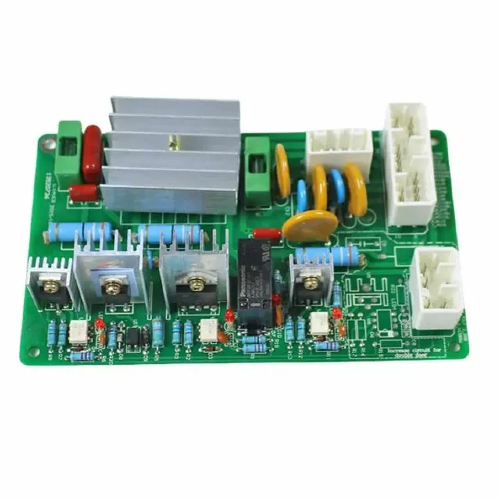
Printed circuit board assembly (PCBA) is a fundamental process in modern electronics manufacturing, transforming a bare PCB into a fully functional electronic module. Every electronic device, from smartphones, laptops, wearable devices, automotive electronics to industrial equipment and medical devices, relies on PCBA for accurate performance, durability, and reliability.
Quality control (QC) in PCBA manufacturing is essential to ensure that every board meets design specifications, operates consistently, and performs safely under various operating conditions. Even minor defects, such as a weak solder joint or a misaligned component, can compromise the entire system, leading to failures, increased maintenance costs, and reduced product lifespan.
This article explores the importance of quality control in PCBA manufacturing in detail. It outlines common quality issues, QC methods, traceability, benefits, and best practices, emphasizing how rigorous QC contributes to reliable, high-performance electronics. Finally, a FAQ section summarizes key points for easy reference.
1. Overview of PCBA Manufacturing
1.1 What is PCBA?
A printed circuit board assembly (PCBA) refers to a PCB that has all the necessary electronic components mounted and soldered. Unlike a bare PCB, which only contains copper traces, vias, and substrate material, a PCBA is fully operational and ready to be integrated into a device.
PCBAs are used extensively across industries:
Consumer electronics: smartphones, laptops, tablets, smart home devices
Automotive electronics: ECUs, sensors, infotainment systems, driver-assistance modules
Medical devices: monitors, diagnostic equipment, imaging devices
Industrial equipment: automation modules, control systems, communication devices
1.2 Key Steps in PCBA Manufacturing
PCBA manufacturing involves several precise steps to ensure correct component placement, soldering, and functionality:
PCB Preparation – Fabrication of the bare PCB, application of solder mask, and surface finish. Proper substrate selection, copper thickness, and trace layout are essential for board performance.
Component Mounting – Surface-mount technology (SMT) for automated placement of compact components and through-hole technology (THT) for mechanical stability. Accurate pick-and-place operation ensures correct orientation and alignment.
Soldering – Reflow soldering for SMT components, wave soldering for THT components. Proper temperature profiles and solder paste composition are critical to avoid cold joints or bridges.
Cleaning – Removal of flux residues and contaminants, ensuring no corrosion or conductive residues remain on the board.
Inspection and Testing – Detection of assembly defects, soldering faults, and component misalignment.
Functional Verification – Ensures the PCBA operates according to design specifications under realistic conditions.
Effective QC must be integrated throughout these stages to maintain product quality, reduce defect rates, and ensure consistent performance across production batches.
2. Understanding Quality Control in PCBA
2.1 Definition and Purpose of QC
Quality control (QC) refers to the systematic measures implemented to verify that manufactured products meet defined specifications and functional requirements. In PCBA manufacturing, QC ensures:
Accurate component placement and orientation
Reliable soldering with consistent joint quality
Proper electrical continuity and signal integrity
Early detection of defects to prevent downstream failures
Compliance with industry standards such as IPC, ISO, and RoHS
QC is crucial for both high-reliability electronics and cost-sensitive products. Without rigorous QC, boards may fail prematurely, resulting in warranty claims, production delays, and potential safety hazards.
2.2 Difference Between QC and QA
While QC focuses on inspecting and verifying products, quality assurance (QA) is concerned with ensuring that the manufacturing process itself is capable of producing high-quality products consistently.
Term | Focus | Scope | Example in PCBA |
QA (Quality Assurance) | Process and methodology | Entire manufacturing process | Implementing IPC soldering standards, controlling environmental conditions |
QC (Quality Control) | Product outcome | Individual boards or production batches | Inspecting solder joints, verifying component placement, testing functionality |
QA ensures the production process is capable of maintaining quality, while QC identifies and corrects defects in the actual products before they reach the end user.
3. Common Quality Issues in PCBA Manufacturing
Despite automation and advanced equipment, PCBAs can still encounter several types of defects:
3.1 Soldering Defects
Cold joints: Poorly melted solder, leading to intermittent connections
Solder bridging: Unintended connections between adjacent pads
Solder balls: Small spheres of solder causing potential short circuits
Insufficient solder: Weak joints prone to mechanical failure
3.2 Component Placement Errors
Misalignment: Components not precisely placed on pads
Reverse polarity: Diodes, LEDs, or polarized capacitors installed incorrectly
Missing components: Skipped during assembly or pick-and-place operation
3.3 PCB Surface Defects
Open circuits: Broken copper traces preventing electrical flow
Short circuits: Unintended conductive paths between traces
Scratches or delamination: Physical damage affecting board reliability
3.4 Functional Failures
Electrical performance issues, such as voltage deviation, current leakage, or excessive heat
Signals failing to propagate correctly due to defective traces or components
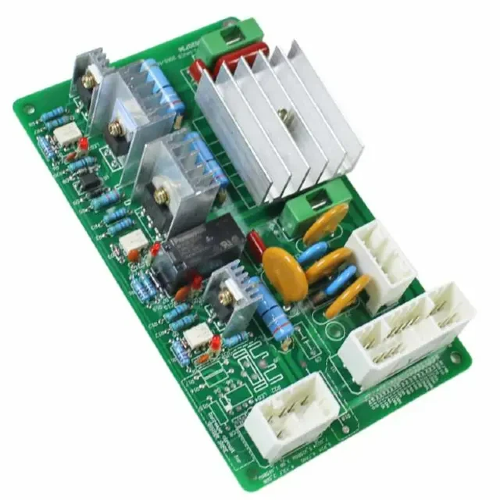
These defects can lead to operational failures, reduce product lifespan, and result in costly rework or warranty claims. Rigorous QC is therefore essential to detect and prevent these issues.
4. Quality Control Methods in PCBA
4.1 Visual Inspection
Visual inspection remains the first line of defense against defects:
Manual inspection by trained personnel can identify visible misalignments, missing components, or obvious soldering issues
Automated Optical Inspection (AOI) systems enhance precision, detecting minute errors such as solder bridges, polarity mistakes, and component misplacement
4.2 In-Circuit Testing (ICT)
ICT ensures proper electrical performance by testing:
Continuity of circuits and connections
Resistance, capacitance, and inductance values of components
Voltage and signal behavior across critical paths
ICT is particularly effective for hidden defects that visual inspection may miss, such as internal short circuits or incomplete solder joints.
4.3 Functional Testing
Functional testing simulates real operating conditions:
Applies voltages and currents that the board would encounter in service
Monitors signal output and component behavior
Verifies that all systems function correctly under expected temperature and environmental conditions
4.4 X-Ray Inspection
X-ray inspection is crucial for complex boards:
Ball Grid Array (BGA) and Chip Scale Package (CSP) solder joints are hidden and cannot be inspected visually
X-rays reveal voids, insufficient solder, misalignment, and hidden bridging
4.5 Statistical Process Control (SPC)
SPC monitors production data to identify trends and potential quality deviations:
Measures defect rates, component placement accuracy, and soldering quality
Allows early corrective action to prevent widespread defects
QC Method | Purpose | Key Benefits |
Visual / AOI | Detect obvious and minute defects | Quick detection, reduces manual errors |
ICT | Verify electrical connectivity | Ensures correct component function |
Functional Testing | Simulate real-world operation | Confirms board operates as intended |
X-Ray | Inspect hidden joints | Detects issues invisible to AOI |
SPC | Monitor production trends | Prevents defects, improves yield |
5. Importance of Traceability and Documentation
Traceability in PCBA manufacturing involves recording comprehensive details of each production batch:
Component lot numbers and supplier information
Production dates, operators, and assembly lines
Inspection and testing results
Benefits of traceability:
Quick identification of the root cause of defects
Ability to prevent recurring errors
Support for compliance with regulatory and industry standards
Documentation enables manufacturers to maintain accountability and supports continuous improvement initiatives, which is essential for high-reliability industries such as medical, automotive, and aerospace.
6. Benefits of Implementing Rigorous QC in PCBA
Strict quality control in PCBA manufacturing offers several advantages:
Enhanced Reliability – Reduces failures in the field, ensures consistent performance, and extends product lifespan
Cost Reduction – Minimizes rework, warranty claims, and returns
Customer Satisfaction – Delivers high-quality boards that meet client expectations
Regulatory Compliance – Ensures boards conform to IPC, ISO, RoHS, and other industry standards
Improved Manufacturing Efficiency – Early detection of defects reduces downtime and streamlines production
These benefits strengthen both the manufacturer’s reputation and the competitiveness of the final product in the marketplace.
7. Challenges in PCBA Quality Control
Maintaining high-quality standards in PCBA manufacturing presents several challenges:
High-density boards – Miniaturized components increase the difficulty of placement and inspection
Multilayer boards – Hidden layers make detecting defects complex
Component diversity – Variability in tolerances, materials, and manufacturers affects consistency
Supply chain variations – Changes in component quality can introduce defects even with strict internal QC
Overcoming these challenges requires skilled operators, advanced inspection technologies, and a robust quality management system.
8. Best Practices for Ensuring PCBA Quality
To achieve consistent high-quality PCBAs, manufacturers should:
Implement comprehensive quality management systems (ISO 9001, IPC standards)
Utilize automated inspection technologies such as AOI and X-ray systems
Continuously train staff on assembly processes and quality awareness
Collaborate with reliable suppliers to ensure consistent material quality
Apply statistical process control (SPC) to monitor production and proactively correct deviations
These best practices create a strong foundation for producing reliable PCBAs and meeting the demands of modern electronics.
9. Conclusion
Quality control is the cornerstone of successful printed circuit board assembly (PCBA) manufacturing. Each QC step, from visual inspection and AOI to functional testing and X-ray inspection, ensures that boards meet design specifications, operate reliably, and maintain safety standards.
For companies seeking high-quality PCBAs, partnering with an experienced manufacturer like Shenzhen Xindachang Technology Co., Ltd. provides professional support in assembly, inspection, and quality assurance. Their expertise ensures that PCBA boards consistently meet rigorous standards, delivering reliability and performance in demanding applications.
10. FAQs
Q1: What is the role of quality control in PCBA manufacturing?
QC ensures that PCBAs meet design specifications, operate correctly, and maintain long-term reliability.
Q2: What are common defects in PCBA manufacturing?
Soldering defects, misaligned or missing components, surface damage, and functional failures.
Q3: What methods are used for PCBA quality control?
Visual inspection, AOI, in-circuit testing (ICT), functional testing, X-ray inspection, and SPC.
Q4: Why is traceability important in PCBA QC?
Traceability allows manufacturers to quickly identify defects, prevent recurrence, and ensure regulatory compliance.
Q5: How does proper QC benefit manufacturers and clients?
Enhances product reliability, reduces costs, ensures compliance, and improves customer satisfaction.


