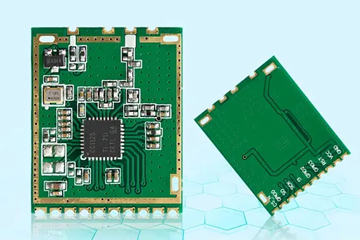
Oil Smoke Detection and Control Circuit Assembly for Range Hood PCBs Range hoods equipped with intelligent油烟检测 (oil smoke detection) and automatic control systems rely on PCB-mounted circuits to monitor air quality and adjust fan speed accordingly. This article explores the core components and operational principles of such circuits, focusing on their integration into modern kitchen appliances.
1. Core Components of Oil Smoke Detection Circuits
Gas Sensors for Real-Time Monitoring The foundation of any oil smoke detection system is a gas sensor capable of identifying volatile organic compounds (VOCs) and particulate matter generated during cooking. These sensors typically use metal oxide semiconductor (MOS) technology or catalytic combustion principles to detect changes in air composition. When油烟浓度 exceeds a preset threshold, the sensor outputs an electrical signal proportional to the pollution level.
Signal Conditioning and Amplification Raw sensor outputs often require conditioning to ensure stability and accuracy. Operational amplifiers (op-amps) are commonly used to filter noise, amplify weak signals, and compare sensor readings against reference voltages. For example, a quad op-amp configuration might process inputs from multiple sensors, ensuring reliable detection even in varying environmental conditions.
Microcontroller Integration Modern circuits incorporate microcontrollers (MCUs) to analyze sensor data and execute control logic. The MCU receives processed signals from the op-amp stage, calculates油烟浓度 levels, and triggers corresponding actions—such as adjusting fan speed or activating alarms. Advanced systems may use PWM (Pulse Width Modulation) to enable seamless speed transitions, reducing energy consumption and noise.
2. Automatic Control Mechanisms
Multi-Speed Fan Adjustment Once油烟浓度 is detected, the circuit must regulate fan speed to match the pollution intensity. This is achieved through relay modules or solid-state switches controlled by the MCU. For instance, a low-concentration reading might activate a single fan motor at 50% power, while high concentrations could engage dual motors at full speed. Some designs also include delay timers to ensure residual smoke is cleared after cooking ends.
Safety and Error Prevention To avoid false triggers (e.g., from steam or perfume), circuits often incorporate hysteresis thresholds and time-based filtering. A secondary sensor, such as a thermistor, may monitor ambient temperature to distinguish between cooking-related smoke and other airborne particles. Additionally, watchdog timers in the MCU can reset the system if software glitches occur, preventing prolonged malfunctions.
User Feedback Systems Visual and auditory indicators inform users of the system’s status. LED displays or LCD screens show real-time油烟 levels, while buzzers or speakers issue alerts when concentrations reach hazardous levels. Some models include Bluetooth or Wi-Fi modules to send notifications to smartphones, enabling remote monitoring and control.
3. PCB Design Considerations for Reliability
Component Placement and Routing Effective PCB layout minimizes electromagnetic interference (EMI) and ensures stable sensor performance. Sensors should be positioned away from heat sources and high-voltage components to prevent drift. Signal traces must be kept short and shielded, especially those carrying analog data from the sensor to the op-amp stage.
Power Supply Stability Range hoods operate on AC mains power, but their control circuits require low-voltage DC. A well-designed PCB includes a rectifier bridge, voltage regulator, and decoupling capacitors to suppress ripple and spikes. For battery-powered or portable models, energy-harvesting techniques (e.g., solar cells) may supplement the main power supply.
Thermal Management Prolonged exposure to high temperatures can degrade electronic components. PCBs in range hoods should incorporate thermal vias, heat sinks, or fans to dissipate heat from power transistors and MCUs. Conformal coating may also be applied to protect against moisture and grease, extending the circuit’s lifespan.
4. Advanced Features and Future Trends
Machine Learning for Adaptive Detection Emerging systems leverage machine learning algorithms to adapt to user cooking habits. By analyzing historical data, the circuit can predict油烟 generation patterns and adjust baseline thresholds dynamically. This reduces false positives and improves energy efficiency over time.
Integration with Smart Home Ecosystems As IoT adoption grows, range hood circuits are evolving to support platforms like Apple HomeKit or Google Home. This enables voice control, automated scheduling, and cross-device coordination (e.g., triggering exhaust fans when a stove is turned on).
Self-Cleaning Sensor Technology To counteract sensor fouling from grease and dust, researchers are developing self-cleaning mechanisms. These include ultrasonic vibrations or periodic heating cycles that burn off contaminants, maintaining detection accuracy without manual intervention.
By combining robust hardware design with intelligent software, modern range hood PCBs deliver precise油烟 detection and efficient air quality management, enhancing both convenience and safety in the kitchen.