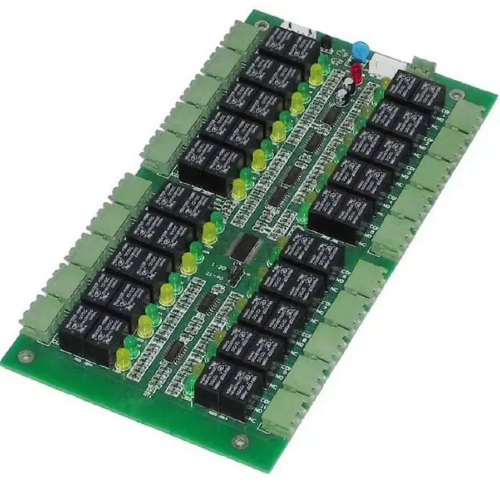
Printed circuit board assembly (PCBA) plays a pivotal role in modern electronics manufacturing, transforming bare printed circuit boards (PCBs) into fully functional electronic modules. Every electronic device, from smartphones, laptops, and wearable devices to medical equipment, industrial machinery, and automotive electronics, relies on PCBA to function correctly.
Understanding the key components of a PCBA board is essential for engineers, designers, and electronics manufacturers. Proper component selection, layout, and assembly can significantly impact device reliability, performance, and durability. Each component contributes to the electrical performance, thermal management, and mechanical stability of the board. A thorough knowledge of these components helps in troubleshooting, improving manufacturing yields, and optimizing overall product quality.
In this article, we will explore the main components that constitute a PCBA board, their specific functions, characteristics, and assembly considerations. This guide aims to provide comprehensive knowledge for professionals and enthusiasts alike who want to deepen their understanding of printed circuit board assembly (PCBA).
1. Overview of a PCBA Board
A PCBA board is the result of mounting electronic components onto a PCB and establishing permanent electrical connections. Unlike a bare PCB, which only contains copper traces, vias, and substrate material, a PCBA is a fully operational board ready to be integrated into electronic devices.
The structure of a PCBA board typically includes:
The PCB itself: provides the base and electrical pathways
Electronic components: both passive and active components
Connectors and interfaces: allow interaction with external circuits
Power management components: regulate and distribute energy across the board
Optional coatings and protective materials: enhance durability and reliability
Proper understanding of each component’s role ensures better design, assembly, and troubleshooting. This knowledge also aids in identifying potential issues during production and testing phases, ensuring a reliable end product.
2. The Printed Circuit Board (PCB)
The PCB forms the foundation of a PCBA and directly influences the performance, durability, and manufacturability of the final assembly.
2.1 PCB Substrate
The PCB substrate is the base material of the board, providing mechanical support and electrical insulation. Common substrates include:
FR4: Standard epoxy glass laminate, known for high strength, durability, and flame resistance
CEM-1 / CEM-3: Cost-effective alternatives suitable for simpler electronic designs
Polyimide: Flexible PCB material suitable for high-temperature applications and wearable electronics
The choice of substrate affects signal integrity, heat resistance, and mechanical robustness. High-frequency or high-speed applications often require materials with lower dielectric losses to maintain signal quality.
2.2 Copper Traces and Layers
Copper traces form the conductive pathways between components and are critical for ensuring signal integrity and power distribution. PCBs can be:
Single-layer: All components and traces on one side; simple and cost-effective
Double-layer: Components on both sides, with through-hole connections
Multi-layer: Multiple internal layers for complex circuits, high density, and improved electromagnetic compatibility (EMC)
The thickness of the copper layers, the width of traces, and the spacing between them are crucial parameters affecting current-carrying capacity, thermal management, and overall reliability.
2.3 Solder Mask and Silkscreen
Solder mask: Protects copper traces from oxidation, prevents short circuits, and ensures correct soldering by covering non-solder areas
Silkscreen: Marks component positions, reference designators, logos, and other important indicators for assembly and testing
Together, the solder mask and silkscreen improve assembly accuracy, maintenance efficiency, and long-term board reliability.
3. Passive Components
Passive components do not generate energy but are essential for controlling and managing electrical signals, filtering noise, and providing stability to circuits.
3.1 Resistors
Resistors limit current flow, divide voltage, and provide biasing for active components. Common types include:
Through-hole resistors (axial, radial): Easy to handle, suitable for mechanical stability
Surface-mount resistors (0603, 0805, 1206): Compact, ideal for high-density layouts
Resistors also have different tolerance ratings and temperature coefficients, which influence the stability and accuracy of the circuit.
3.2 Capacitors
Capacitors store and release electrical energy, filter signals, and stabilize voltage levels. Types include:
Ceramic capacitors: High-frequency decoupling, low ESR
Electrolytic capacitors: Bulk energy storage, smoothing in power supply circuits
Tantalum capacitors: Compact size, high capacitance, stable performance under temperature variations
The placement of capacitors near ICs helps reduce voltage ripple and improves overall circuit stability.
3.3 Inductors and Transformers
Inductors and transformers store energy in magnetic fields and regulate current flow:
Inductors: Used for filtering, power conversion, and EMI suppression
Transformers: Provide voltage conversion, isolation, and impedance matching in power and signal circuits
Component | Function | Typical Applications |
Resistor | Limit current / divide voltage | Signal conditioning, biasing circuits |
Capacitor | Filter, store energy | Power supply smoothing, decoupling |
Inductor | Filter, store magnetic energy | Power conversion, EMI suppression |
Transformer | Voltage conversion / isolation | Power supplies, signal isolation |
4. Active Components
Active components control energy flow, amplify signals, or perform logical and computational functions.
4.1 Diodes
Diodes allow current to flow in one direction and are used for rectification, protection, and voltage regulation. Common types include:
Standard diodes for rectification
Schottky diodes for fast switching
Zener diodes for voltage regulation and reference
4.2 Transistors
Transistors function as electronic switches or amplifiers. Types include:
Bipolar Junction Transistors (BJT)
Field Effect Transistors (FET / MOSFET)
Transistors are essential for signal modulation, amplification, and digital logic implementation. Their placement and orientation are crucial for performance and thermal management.
4.3 Integrated Circuits (ICs)
ICs integrate multiple functions into a single package, performing complex analog, digital, or mixed-signal operations. Types include:
Digital ICs: Microcontrollers, logic gates
Analog ICs: Amplifiers, sensors
Mixed-signal ICs: ADCs, DACs
IC packages such as DIP, QFP, BGA, and CSP affect assembly method, thermal performance, and board density. Proper handling and orientation prevent failures during soldering.
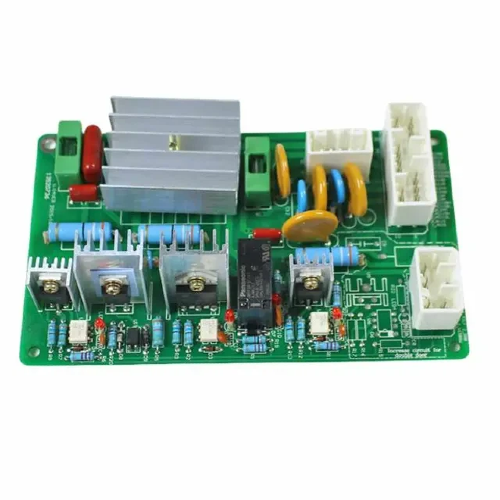
5. Connectors and Interfaces
Connectors provide the interface between the PCBA board and external devices or other PCBs. They must maintain electrical performance, mechanical stability, and durability. Common connector types include:
USB, HDMI, SATA, Ethernet
Pin headers, edge connectors, board-to-board connectors
Wire-to-board connectors
Connector selection should consider insertion/removal cycles, environmental exposure, and signal integrity to ensure reliable long-term performance.
6. Passive and Active Sensors
Sensors allow PCBAs to interact with the environment by converting physical phenomena into electrical signals. Common types include:
Temperature sensors: Monitor heat, protect sensitive components
Pressure sensors: Measure mechanical pressure in industrial or automotive applications
Light sensors: Adjust brightness or trigger responses
Accelerometers: Detect motion and orientation
Proper sensor selection ensures accurate data acquisition and enables PCBA boards to respond appropriately to environmental changes.
7. Power Supply Components
Power management components regulate voltage and current to ensure all components function safely. Key components include:
Voltage regulators and power ICs
MOSFETs for switching and protection
Inductors and filter capacitors for smoothing voltage
Protective devices such as fuses or transient voltage suppressors
Efficient power layout reduces thermal stress, prevents voltage drop, and improves overall reliability.
8. Additional Components and Materials
Other important PCBA elements include:
Switches and buttons: Enable user input or control functions
LED indicators: Provide visual status feedback
Crystals and oscillators: Ensure timing precision in circuits
Fuses: Protect against overcurrent or short circuits
Thermal management solutions like heat sinks, thermal pads, and conformal coatings are also critical for long-term reliability.
9. Assembly Considerations
Proper assembly ensures functionality, reliability, and longevity:
Layout optimization: High-power components should be near heat sinks, sensitive circuits separated from noise sources
SMT vs THT placement: SMT is preferred for high-density designs; THT is chosen for mechanical strength
Spacing and soldering: Adequate clearance reduces bridging and improves thermal dissipation
Good assembly practices minimize defects, improve yields, and ensure the PCBA meets performance requirements.
10. Conclusion
Understanding the key components of a printed circuit board assembly (PCBA) is essential for designing, manufacturing, and maintaining high-performance electronics. Each component—from passive resistors and capacitors to active ICs, sensors, and connectors—plays a critical role in the board’s electrical, mechanical, and thermal performance.
For companies or engineers seeking to produce reliable PCBAs, partnering with a professional manufacturer like Shenzhen Xindachang Technology Co., Ltd. ensures that your boards meet high standards of quality and performance. Their turnkey services include PCB fabrication, component sourcing, assembly, inspection, and final testing. Engaging with their team ensures a seamless process, from design to delivery, with consistent reliability and technical support.
11. FAQs
Q1: What is the difference between PCB and PCBA?
PCB is the bare board with copper traces, while PCBA includes all mounted and soldered components, ready to function.
Q2: What are the main passive components in a PCBA?
Resistors, capacitors, and inductors regulate current, store energy, and filter signals in circuits.
Q3: Why are active components essential in a PCBA?
Active components such as diodes, transistors, and ICs control energy, amplify signals, and perform logic operations.
Q4: What is the role of connectors in a PCBA?
Connectors facilitate interaction with external devices, maintain signal integrity, and provide mechanical stability.
Q5: How important is power management in a PCBA?
Proper power design ensures all components receive the correct voltage and current, preventing failures and enhancing reliability.
Q6: Why should I work with a professional PCBA manufacturer?
Experienced manufacturers provide turnkey solutions, reduce defects, ensure quality control, and deliver boards ready for integration or shipment.


