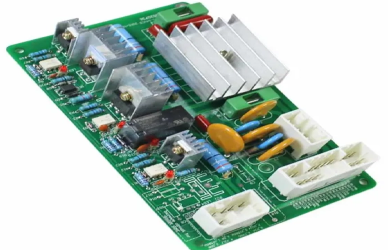
When it comes to PCB assembly, one of the important decisions you’ll face is whether to provide your own components or allow the assembly service to source them for you. This process is called consigned PCB assembly, where the customer provides the components, while the assembly service handles the manufacturing and assembly of the board. In this article, we will explore what consigned assembly is, the benefits and challenges of supplying your own components, and what you need to consider to ensure the process goes smoothly.
1.What is Consigned Assembly?
Definition of Consigned Assembly in PCB Manufacturing
Consigned assembly is a type of PCB assembly service where the customer provides the components needed for the assembly of the circuit board. These components could include resistors, capacitors, integrated circuits, and other necessary parts. The assembly service is then responsible for assembling the components onto the PCB, soldering them, testing the assembly, and delivering the finished product.
Difference Between Consigned Assembly and Turnkey Assembly
In a turnkey PCB assembly service, the assembly house is responsible for sourcing all the components, as well as assembling the PCB. The customer typically only provides the PCB design, and the assembly service takes care of everything else, including sourcing the parts, assembly, and testing.
On the other hand, in consigned assembly, the customer retains control over the components used, whether for cost reasons, specific part preferences, or ensuring certain components are used in the assembly. The assembly service’s role is to perform the physical assembly of the board using the supplied components.
2.Advantages of Supplying Your Own Components
Cost Savings and Flexibility in Sourcing
One of the primary advantages of supplying your own components is the potential for cost savings. By sourcing components directly, you can take advantage of better pricing, bulk purchasing, or supplier discounts. In some cases, you may also have access to more cost-effective components that the assembly service might not source. This can be particularly valuable for prototyping or low-volume production runs where cost control is crucial.
Additionally, supplying your own components provides more flexibility in choosing the exact parts you want for your product. You can select components based on specific features, performance, or quality standards that align with your design requirements. This flexibility gives you greater control over the final product’s functionality and performance.
Control Over Component Quality and Specifications
When you provide your own components, you have direct control over the quality and specifications of the parts used in your PCB assembly. You can select high-quality components from trusted suppliers, ensuring that your final product meets your desired quality standards. Moreover, you can ensure that all parts match your design specifications, which is crucial for functionality and performance.
If you have strict quality requirements, supplying your own components allows you to avoid potential issues with component quality that may arise when using parts sourced by the assembly house. You can also ensure that the components are compatible with your PCB design by reviewing datasheets and specifications before making the purchase.
3.Challenges of Supplying Your Own Components
Potential for Mismatched or Incorrect Components
While supplying your own components gives you control over what’s used in the assembly, it also comes with the risk of mismatched or incorrect components. For example, you might accidentally purchase a component with the wrong package type or specifications, which could cause assembly issues or failures in the final product.
To mitigate this risk, it is essential to double-check the specifications of each component against your Bill of Materials (BOM) and PCB design. Even a small mismatch can cause significant issues in the assembly process.
Risk of Supply Chain Delays and Quality Control Issues
Another challenge of providing your own components is the potential for supply chain delays. If a component is out of stock, has a long lead time, or is unavailable from your supplier, it can delay the entire assembly process. This is especially problematic in industries with tight timelines or time-to-market pressures.
Additionally, while you may choose to source quality components, there is still the risk of quality control issues. If you receive damaged, counterfeit, or incorrect parts, it can cause delays and lead to a suboptimal assembly. Inspecting your components before shipping them to the assembly house can help mitigate these issues.
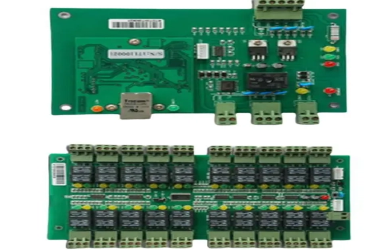
4.How to Ensure Your Components Meet Specifications
Importance of Validating Component Specifications and Datasheets
Before supplying your components, it’s essential to validate their specifications to ensure they meet your design’s requirements. One of the best ways to do this is by referring to the datasheets for each component. A datasheet contains valuable information about the component’s electrical characteristics, physical dimensions, and mechanical properties, which will help you confirm that the component will work with your PCB design.
Additionally, you should check the footprint of the components to ensure they are compatible with the design layout on the PCB. The footprint is the physical layout or pad configuration on the PCB that the component will fit into, and it must align with the component's actual size and shape.
Communicating Clearly with the Assembly Service About Component Requirements
Clear communication with your PCB assembly service is essential when supplying your own components. You should provide them with a detailed Bill of Materials (BOM) that includes part numbers, quantities, and specifications. This allows the assembly house to verify the components and ensure that they are compatible with the assembly process.
If any special instructions are required—such as specific handling or placement guidelines—be sure to include those as well. This will help the assembly service prepare for your consigned components and prevent any potential errors during the assembly process.
5.The Role of the Assembly Service in Consigned Assembly
Responsibilities of the Assembly House When You Supply Components
The assembly house still has several responsibilities when you provide your own components. These include:
Inspecting the components: The assembly service will check the consigned components for damage, incorrect parts, or quality issues before proceeding with assembly.
Storing the components: Proper storage of the components is necessary to prevent damage, contamination, or loss.
Assembly and soldering: The assembly house is responsible for assembling the components onto the PCB using the supplied parts, including soldering, testing, and final quality checks.
However, they are not responsible for sourcing missing or incorrect components, so it is essential that the components meet your design specifications and are in good condition.
How Assembly Houses Can Assist with Handling and Inspecting Consigned Components
Some PCB assembly services offer additional support, such as:
Component sourcing assistance: If you need help sourcing certain components or if your provided parts are unavailable, the assembly service may assist in sourcing them or suggest alternatives.
Pre-assembly inspection: Many assembly houses provide inspection services to ensure that all supplied components match your BOM and specifications before assembly begins. This minimizes the risk of assembly issues later on.
It's always best to clarify what services the assembly house offers for consigned assembly and what their process entails before you submit your components.
FAQs – Related Questions
1. How do I ensure the components I supply are compatible with my PCB design?
Ensure you double-check the component specifications and cross-reference them with your Bill of Materials (BOM). Use datasheets and verify the footprint compatibility before purchasing.
2. What happens if a component I supply is defective?
Defective components can cause assembly delays or product failure. The assembly service will typically inspect the components, but it's best to inspect them yourself before shipment to reduce the risk of issues.
3. Can the assembly service source components if I supply a partial BOM?
Yes, many assembly services can source components if you provide a partial BOM. However, this might incur additional costs, so be sure to discuss the details with the assembly service beforehand.
4. Are there minimum quantity requirements for supplying my own components?
Some assembly services may have minimum order requirements for consigned components. Always check with the service to ensure you meet their quantity guidelines before submitting your components.
Conclusion
Supplying your own components for PCB assembly offers significant cost savings and greater control over the quality and performance of your final product. By sourcing components directly, you can select parts based on price, quality, and specific requirements, giving you an edge in both cost efficiency and product differentiation. It also allows you to ensure that only the highest-quality parts are used, which is crucial for high-performance or specialized products.
However, this approach comes with challenges, including the risk of mismatched parts, supply chain delays, and the need for clear communication with the assembly service. These issues can disrupt the assembly process and lead to delays, requiring careful planning and coordination.
Before opting for consigned assembly, weigh the pros and cons. While the benefits are clear, the risks can affect efficiency and product quality. To mitigate these risks, ensure components are validated, compatible with your design, and inspected before shipment. Additionally, provide a detailed Bill of Materials (BOM) and clear instructions to the assembly house to prevent misunderstandings.
By doing so, you can ensure a smooth, efficient assembly process, minimize errors, and achieve a high-quality product that meets your expectations.


