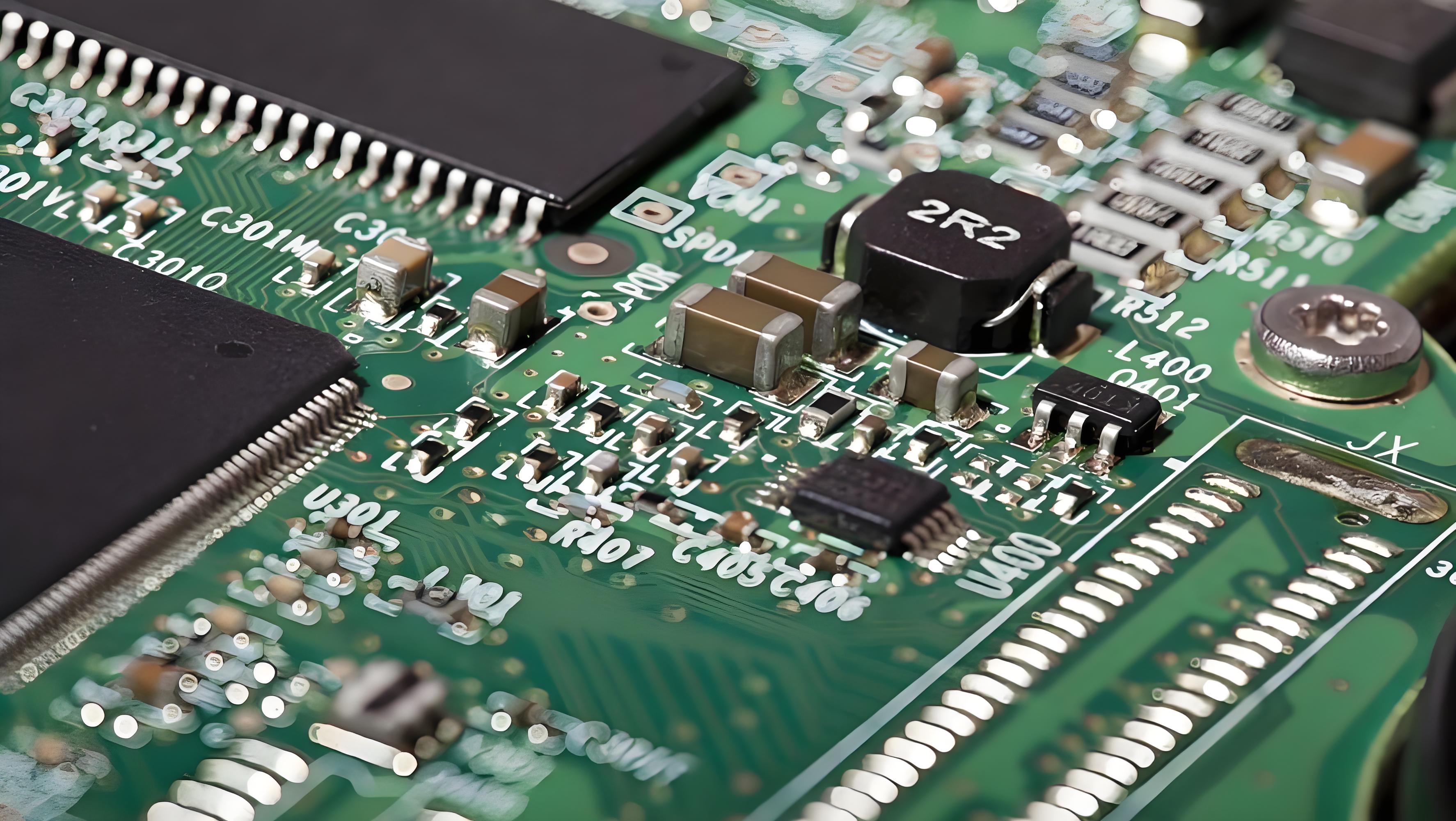
The environmental advantages and implementation of lead-free PCB assembly are mainly reflected in the following aspects:
First, the environmental advantages of lead-free PCB assembly
Reduce environmental pollution
Reduce lead pollution: Lead is a toxic heavy metal that is harmful to the environment and human health. The use of lead-free solder significantly reduces the amount of lead used and avoids the pollution of the environment and human body caused by lead in the production and waste process.
Compliance with environmental regulations: With the increasingly stringent environmental requirements around the world, more and more countries and regions have formulated strict environmental regulations, such as the European Union's RoHS (Restriction of the Use of certain Hazardous substances) directive, which strictly limits the content of hazardous substances in electronic products. Lead-free PCB assembly meets these international environmental standards, helping companies comply with relevant regulations and avoid heavy fines and legal risks for violations.
To ensure the health and safety of users
Reduce harmful substances: Lead-free solder does not contain harmful substances lead, reducing the content of harmful substances in the product, thereby reducing the risk of exposure to harmful substances during use, and ensuring the health and safety of users.
Improve product reliability: Lead-free solder usually has higher fatigue resistance and mechanical strength, which helps to improve the service life and reliability of electronic products, reduce the failure rate of products, and further protect the interests of users.
Enhance product competitiveness
Meet market demand: With the improvement of global environmental awareness, more and more consumers tend to choose environmentally friendly electronic products. Lead-free PCB assembly meets this market demand, which helps enterprises to enhance product competitiveness and win more market share.
Promote international trade: Lead-free PCB assembly meets international standards and regulatory requirements, which helps enterprises to enter the international market and enhance international competitiveness.
Second, the implementation of lead-free PCB assembly
Choose an eco-friendly solder
Environment-friendly solder: Choose lead-free solder that meets environmental requirements, such as tin silver copper (SAC) alloy, tin zinc alloy, etc. These solders are not only environmentally friendly, but also have superior performance and can meet welding requirements.
Supplier management: Establish close cooperation with suppliers to ensure that the purchased lead-free solder meets environmental standards and quality requirements.
Optimized welding process
Parameter adjustment: The melting point of lead-free solder is generally higher than that of traditional lead solder, and it is necessary to adjust welding temperature, welding time, welding pressure and other process parameters to ensure the reliability and stability of welding connections.
Equipment upgrade: According to the requirements of lead-free welding, the welding equipment is upgraded and reformed, such as replacing the welding head, optimizing the welding machine, etc., to improve the welding efficiency and quality.
Strengthen quality control
Process monitoring: In the welding process, the welding temperature, welding time, welding pressure and other key parameters are monitored in real time to ensure that the welding process meets the process requirements.
Inspection and testing: Strict quality inspection and testing of the welded PCB board, such as appearance inspection, X-ray inspection, electrical testing, etc., to ensure that the welding quality meets the requirements.
Train operators
Skills upgrading: Training welding operators to improve their lead-free welding skills and environmental awareness to ensure that they can master the lead-free welding process and operating procedures.
Safety awareness: Strengthen the safety awareness education of operators to ensure that they strictly abide by the safety operation procedures in the operation process to prevent safety accidents.
Waste disposal
Classified collection: Collect the waste generated during the welding process, such as waste solder, waste flux, and waste circuit board, for subsequent processing.
Environmental treatment: The collected waste will be handed over to qualified environmental treatment agencies for treatment, to ensure that the treatment process meets environmental requirements and reduces the impact on the environment.


