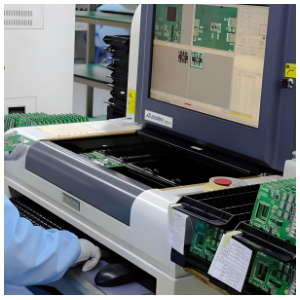
In today’s rapidly advancing technological landscape, power electrical systems are the backbone of virtually every industrial and consumer product. From large-scale power grids to small electronic gadgets, efficient and reliable power distribution is crucial. The primary enabler of this distribution is the power electrical printed circuit board (PCB). These PCBs serve as the essential component in ensuring that electrical systems and devices operate smoothly and efficiently. Power PCBs not only help to manage power flow but also ensure the safety, stability, and performance of the devices they power.
The Importance of PCB Assembly in Power Electrical Systems
PCB assembly is an integral part of power electrical systems. PCBs act as the platform where various components, such as resistors, capacitors, diodes, and transistors, are mounted and connected to create electrical circuits that manage power flow. Without these boards, modern electrical systems, from everyday electronics to complex industrial machines, would be unable to function efficiently.
Power electrical PCBs play a vital role in:
Power Conversion: They ensure the conversion of electrical energy from one form to another, such as from AC to DC or between different voltage levels.
Signal Processing: They handle the flow of electrical signals within the system to ensure proper functioning of devices like power supplies, transformers, and motors.
Heat Management: Power PCBs are designed to efficiently dissipate heat, preventing overheating and damage to components.
Reliability and Safety: Power PCBs ensure that electrical systems remain reliable and safe by providing consistent performance and minimizing the risk of electrical faults.
As electrical systems grow more sophisticated and energy efficiency becomes a primary concern, the demand for high-performance power electrical PCBs continues to rise. Power PCBs are now designed to handle higher currents, voltages, and temperatures, making them critical for modern power electronics.
Overview of Power Electronics and the Role of PCBs in Ensuring Efficient Power Distribution
Power electronics is the field of electrical engineering that deals with the conversion, control, and management of electrical power. Power electronic systems use components like semiconductors to control the flow of electricity and convert it into usable forms. These systems are used in a variety of applications, from consumer electronics to industrial machinery and renewable energy systems.
PCBs in power electronics are responsible for supporting and interconnecting the components that allow these systems to operate. Power PCBs manage electrical power distribution within devices, ensuring that energy flows where it’s needed without loss or interference. They also help ensure that power is converted efficiently, reducing energy wastage and improving the overall performance of electrical systems.
For example, power supply units (PSUs), which are critical in providing the correct voltage for devices, are composed of a power PCB that integrates components like capacitors, resistors, and transformers. These components work together to ensure a stable and efficient supply of electricity. Without a well-designed power PCB, PSUs would be unable to perform their function properly, leading to energy inefficiencies and potentially hazardous conditions.
Key Applications of Power Electrical PCBs
Power electrical PCBs are used in a variety of industries and applications where efficient power management is essential. Some of the key applications include:
Power Supply Units (PSUs)
PSUs are crucial for converting AC or DC power into the required voltage levels for electronic devices. The PCB inside a power supply unit connects all the components required for this conversion and regulates the output voltage. Power electrical PCBs help ensure the stability, efficiency, and safety of PSUs, making them a core component of virtually all electrical devices, including computers, televisions, and medical equipment.
Converters and Inverters
Converters and inverters are used to convert electrical power from one form to another, such as from AC to DC or from high voltage to low voltage. These devices are essential for renewable energy systems, such as solar panels and wind turbines, where the generated power must be converted to a usable form. Power PCBs are designed to handle the intricate process of power conversion efficiently and safely, ensuring that energy is transformed without excessive losses.
High-Voltage and Low-Voltage Electrical Devices
Power PCBs are critical in both high-voltage and low-voltage electrical applications. For high-voltage systems, such as industrial machinery or electrical grids, power PCBs must be designed to handle higher currents and voltages. Conversely, low-voltage systems, such as consumer electronics or LED lighting, require PCBs that efficiently manage power at a smaller scale. Regardless of the application, power electrical PCBs ensure that the electrical system functions optimally and remains safe for users.
Challenges in Power PCB Assembly
Power PCB assembly comes with several challenges, primarily due to the nature of the electrical systems in which these PCBs are used. Power PCBs must withstand high currents, high voltages, and significant heat loads, all while maintaining electrical integrity and safety.
Dealing with High Currents, Voltages, and Heat Dissipation
Power electrical systems often require PCBs to handle high currents and voltages, which can generate significant amounts of heat. Effective heat management is critical in preventing components from overheating and failing. Thermal considerations are crucial in the design of power PCBs, as excessive heat can degrade the performance of components and shorten their lifespan.
To manage heat, power PCBs are designed with materials that offer high thermal conductivity and advanced heat dissipation techniques, such as the integration of heat sinks or copper planes. Components are carefully chosen to ensure that they can handle the power demands of the system without overheating.
The Need for Robust and Durable PCBs
Power electrical PCBs must be durable enough to withstand mechanical stresses, such as vibrations or shocks, which can occur in industrial environments or during transportation. The materials used in power PCB assembly must be robust to prevent failure under these conditions. Additionally, power PCBs must be resistant to environmental factors such as moisture, chemicals, and extreme temperatures, which can affect their performance.
Durability is particularly important in applications like electric vehicles (EVs), where power PCBs are exposed to vibrations and temperature fluctuations. High-quality materials and manufacturing techniques are essential to ensure that these PCBs can withstand demanding conditions and continue to perform reliably over time.
Design Considerations for Power Electrical PCBs
Designing power electrical PCBs requires a careful balance of performance, safety, and efficiency. Several key factors must be considered during the design phase:
Efficient Heat Management and Thermal Considerations
As mentioned earlier, heat management is one of the most critical design challenges in power PCB assembly. The PCB must be designed to dissipate heat efficiently to prevent components from overheating. Techniques such as using larger copper traces to carry higher currents, integrating heat sinks, and placing components in a way that allows for optimal airflow are some of the methods used to ensure thermal efficiency.
Use of Advanced Materials and Components to Ensure Stability and Safety
Power electrical PCBs require specialized materials and components to ensure their stability and safety. For instance, high-voltage capacitors and high-current resistors are used in power PCBs to ensure that the board can handle the electrical demands of the system. Additionally, materials with high dielectric strength are often used to prevent electrical arcing or short circuits in high-voltage applications.
The design also needs to incorporate safety features, such as fuses or overcurrent protection circuits, to protect the device from electrical faults. These safety measures are especially important in high-power systems, where failures could lead to equipment damage, safety hazards, or energy loss.
Innovations in Power Electrical PCB Assembly
The field of power electronics continues to evolve, with new innovations and technologies emerging that improve the efficiency and performance of power electrical PCBs. Some of the latest advancements include:
The Role of Power Electronics in Renewable Energy Systems (Solar, Wind)
Power PCBs play a crucial role in renewable energy systems, such as solar power and wind energy. In these systems, PCBs are used in power inverters and converters that transform the energy produced by solar panels and wind turbines into usable electrical power. With the growing emphasis on sustainability, the demand for efficient power PCB solutions in renewable energy is expected to increase in the coming years.
PCB Solutions for Electric Vehicles (EVs), Smart Grids, and Energy Storage Systems
The rise of electric vehicles (EVs) and the development of smart grids have created new opportunities for power PCB solutions. EVs require power PCBs to manage battery charging and power distribution within the vehicle. Similarly, smart grids, which optimize energy distribution across large-scale electrical networks, rely on power PCBs for efficient energy flow. Additionally, energy storage systems, such as batteries used in grid storage or solar power systems, require PCBs to manage power conversion and ensure the efficient storage and release of energy.
Testing and Quality Control in Power PCB Assembly
Given the importance of power electrical systems in critical applications, rigorous testing and quality control are essential to ensure the reliability and safety of power PCBs. Testing methods such as electrical testing, thermal analysis, and stress testing are commonly used to assess the performance of power PCBs under various conditions.
Additionally, compliance with industry standards, such as UL certifications, ensures that power PCBs meet the required safety and performance criteria. Testing is particularly important for high-power applications, where failure could have serious consequences for both the device and its users.
Conclusion
Power electrical PCB assembly is integral to ensuring the efficiency, reliability, and safety of electrical systems and devices. From consumer electronics to renewable energy systems and electric vehicles, power PCBs manage power distribution and conversion, playing a crucial role in modern electrical technology. With the increasing demand for energy-efficient solutions, the importance of power electrical PCBs will only continue to grow.
At Shenzhen Xindachang Technology Co., Ltd., we specialize in delivering high-quality power electrical PCB assemblies designed to meet the rigorous demands of various industries. By addressing challenges such as heat dissipation, durability, and efficient design, we provide reliable solutions that help drive the future of electrical technology. To learn more about how our innovative PCB solutions can enhance your systems and improve energy efficiency, feel free to contact us at www.xdcpcba.com. We're here to support your business with cutting-edge PCB assembly services tailored to your specific needs.


